- March 14, 2026

| Thiruthalam | Anantha Padmanabhaswamy Temple |
|---|---|
| Moolavar | Anantha Padmanabhan |
| Amman | Sree Hari Lakshmi |
| Theertham | Matsya Theertham, Padma Theertham, Varaha Theertham |
| Vimana | Hemakoota Vimana |
| City | Thiruvananthapuram |
| State | Kerala |
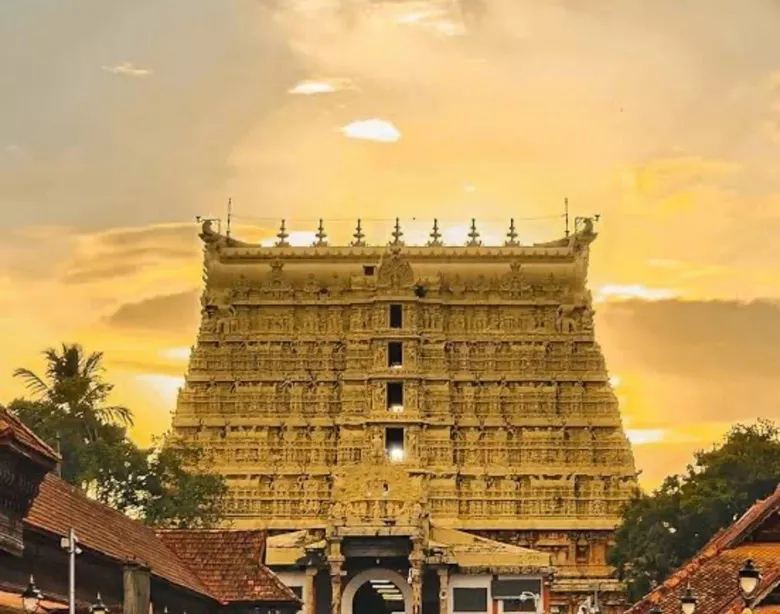
Located in the heart of Thiruvananthapuram, the beautiful capital of Kerala, the Arulmigu Anantha Padmanabha Temple stands as a sacred site, thriving with the grace of infinite divine power (Anantha Shakti). This temple, which has received Mangalasasanam (praise) as the 86th of the 108 Divya Desams (holy abodes of Vishnu), stands as a beacon of spiritual experience, offering the darshan of Lord Vishnu in his Anantha Sayanam (reclining on the serpent Ananta) posture. Situated in the picturesque Fort area, this holy place is a divine gateway that fills the hearts of devotees with peace and bliss. Come, let us delve deep into the history and greatness of this magnificent temple and receive the blessings of the Perumal (Lord Vishnu)!
The origin of this temple is intertwined with ancient legends. Historical evidence suggests that this shrine, revered as one of the 108 Divya Desams, dates back to the 8th century. According to the Puranas, a sage named Vilvamangalathu Swamiyar used to perform daily pooja for Narayana. During the pooja times, Lord Krishna would come in the form of a small boy, destroy the flowers, and disturb the vessels, testing the sage’s patience. One day, the sage pushed the boy away in anger. The enraged Krishna disappeared, saying, “Patience is necessary for devotion and asceticism. If you wish to see me, come to Ananthan Kadu (Ananta Forest).”
Realizing his mistake, the sage wandered in search of the forest. When he was suffering in the sun, he overheard a couple in a nearby house arguing, with the husband threatening, “If you fight, I will throw you into Ananthan Kadu.” The sage pacified them and learned the way to the forest. Crossing the dense, rocky, and thorny forest, he saw the Supreme Lord (Paranthaman) resting on the serpent Ananta beneath an Iluppai (Mahua) tree. The sage informed the Travancore king. The king, along with the Brahmins from the Eight Madams (monastic institutions), established the temple and performed the pratishtha (consecration).
In 1686, the wooden idol was damaged in a fire. In 1729, through the efforts of King Marthanda Varma, a new 18-foot-long Ananthasayana Murti was created by combining 12,008 Saligrama stones with the ‘Katusarkara’ Ashtabandhana paste. In 1750, Marthanda Varma dedicated his entire kingdom and wealth to Padmanabha and received the title “Padmanabha Dasa” (Servant of Padmanabha). From that day forward, the Travancore kings served as the servants of the Lord. The Skanda Purana and Padma Purana refer to this temple as Parasurama Kshetram.
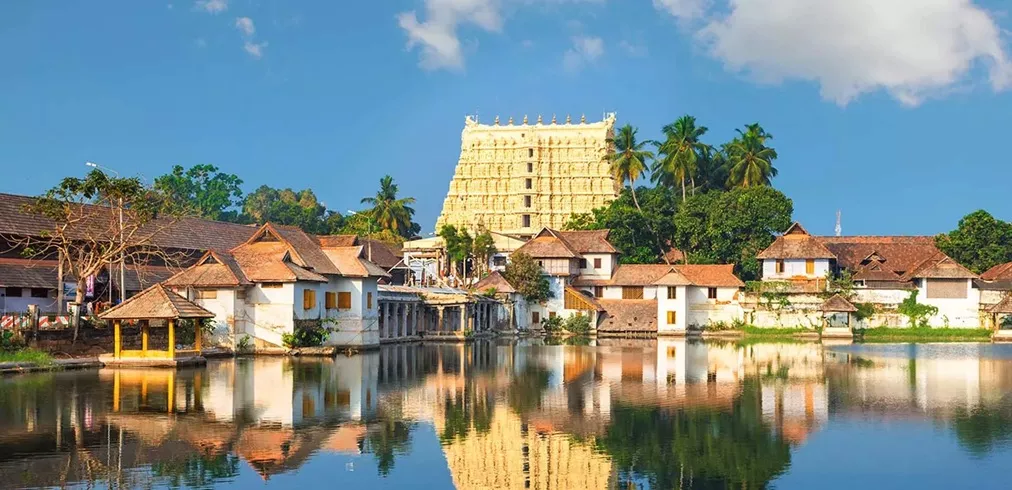
Built in a beautiful blend of Dravidian art and Kerala style, the temple is adorned with a seven-tiered Rajagopuram (temple tower) that stands 100 feet tall. The Garbhagriha (sanctum sanctorum), located beneath the Hemakoota Vimana, is famous as the “Ottakkal Mandapam” (single stone platform), carved from a single large stone.
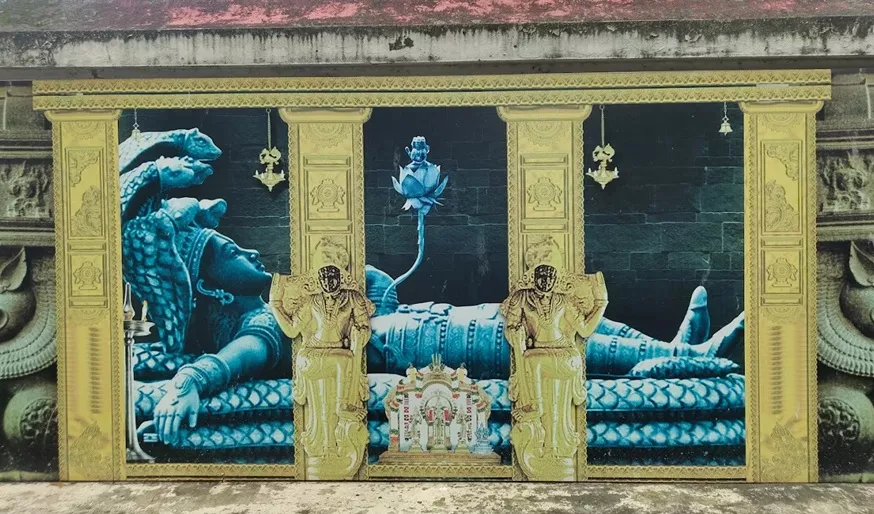
The Moolavar (Presiding Deity), Anantha Padmanabha, is seen in the form of the Supreme Lord in Yoga Nidra (meditative sleep) reclining on the serpent Ananta Sesha. This extraordinary idol, measuring 18 feet in length, is made from 12,008 Saligrama stones and covered with gold foil.
The Darshan (viewing) is done through three doorways: the first doorway shows the head (seen as a Shiva Linga), the second doorway shows the body (Brahma on a lotus), and the third doorway shows the feet. In the southern prakara (corridor), Yoga Narasimhar, Hanuman, and Krishna bless the devotees. To the south are shrines for Lakshmi Varahar and Srinivasa. The Goddess, Sree Hari Lakshmi, is seated beautifully. The hallway has 365 and a quarter granite pillars with sculptures, and the Navagraha Mandapam is decorated with the nine planetary deities. The murals and paintings on the temple walls enhance the divine beauty.
Theerthams (Sacred Tanks): It is believed that bathing in the Matsya, Padma, and Varaha Theerthams absolves sins.
The temple celebrates spiritual festivities throughout the year. Key festivals include:
Nammazhwar’s hymn in the Thiruvaymozhi praises this shrine:
Keḍum iḍarāyavellām kēsavā vennum – nāḷum Koḍuvinai seyyum kūṯṟin damargaḷum kuṛugagillār Viḍamuḍaiyaravin paḷḷi virumbināṉ surumbalaṯṟum Taḍamuḍaivayal anaṁdapura nagar pugudum iṉṟē
Devotees believe that the blessings of Perumal can resolve obstacles to marriage, grant progeny, educational success, good health, and prosperity.
The epic Silappathikaram describes Thiruvananthapuram as Adakamaadam. Ilango Adigal states that when the Chera King Senguttuvan marched to invade the northern lands, he wore the garland of the Lord resting in Arituyil (meditative rest) at Adakamaadam (Thiruvananthapuram), fulfilling the words of Periyazhwar: “We are the devotees who wear the garlands worn and discarded by the Lord.”
‘Āḍagamāḍattu aṛiduyil amarndōṉ Sēḍaṁkoṇḍu silar niṉḏṟētta Āṁgadu vāṁgi aṇimaṇi puyattut tāṁgiṉaṉ Āsittagai maiyiṉ selvuzhi’ – Ilango Adigal Āḍaga Māḍam – Thiruvananthapuram Sēḍam – Flower garland.
Famed as the wealthiest temple in the world, the gold and diamonds (valued at over one lakh crore/trillion rupees!) hidden in the six subterranean vaults showcase the boundless opulence of the Lord. The presence of Vishnu’s reclining, standing, and sitting forms makes this a rare experience for spiritual seekers.
The Arulmigu Anantha Padmanabhaswamy Temple in Thiruvananthapuram is open from 03:30 AM to 12:00 PM and from 05:00 PM to 07:30 PM.
The Arulmigu Anantha Padmanabha Temple stands as a divine gateway that grants profound devotion and eternal peace through the grace of infinite power. Its mythological stories, beautiful architecture, and festivals all invite visitors into a world of tranquility. Embark on a pilgrimage to this shrine and receive the blessings of Perumal. In this holy city of Thiruvananthapuram, stand near Anantha and experience infinite bliss in your life!
The Arulmigu Anantha Padmanabha Temple is not for wealth alone; it is a shrine that teaches Peace (Shanthi), Surrender (Sharanagati), and Eternal Truth (Sasvatha Unmai).
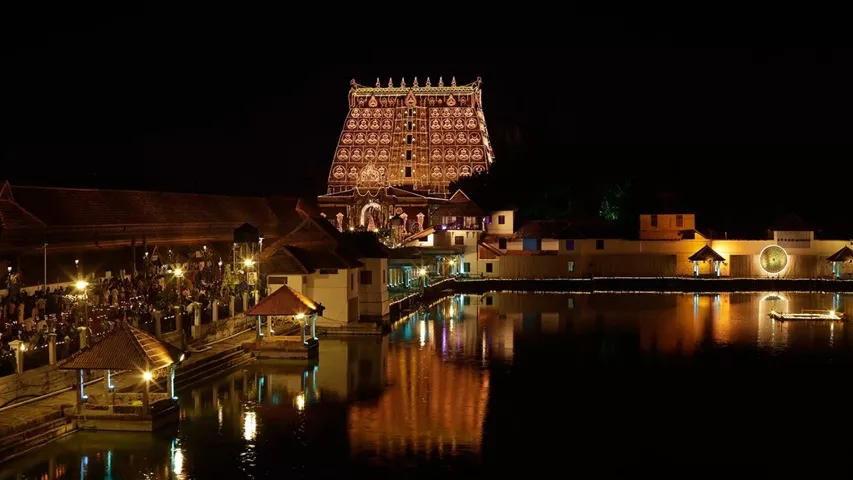
Arulmigu Anantha Padmanabha Swamy Temple, East Fort Gate, Thiruvananthapuram, Kerala – 695023.
Contact: +914712450233, +914712455790
Temple Website: https://spst.in